language

The Essential Guide to Welding Glass: Protecting Your Vision in Metalworking
Nov 30,2025
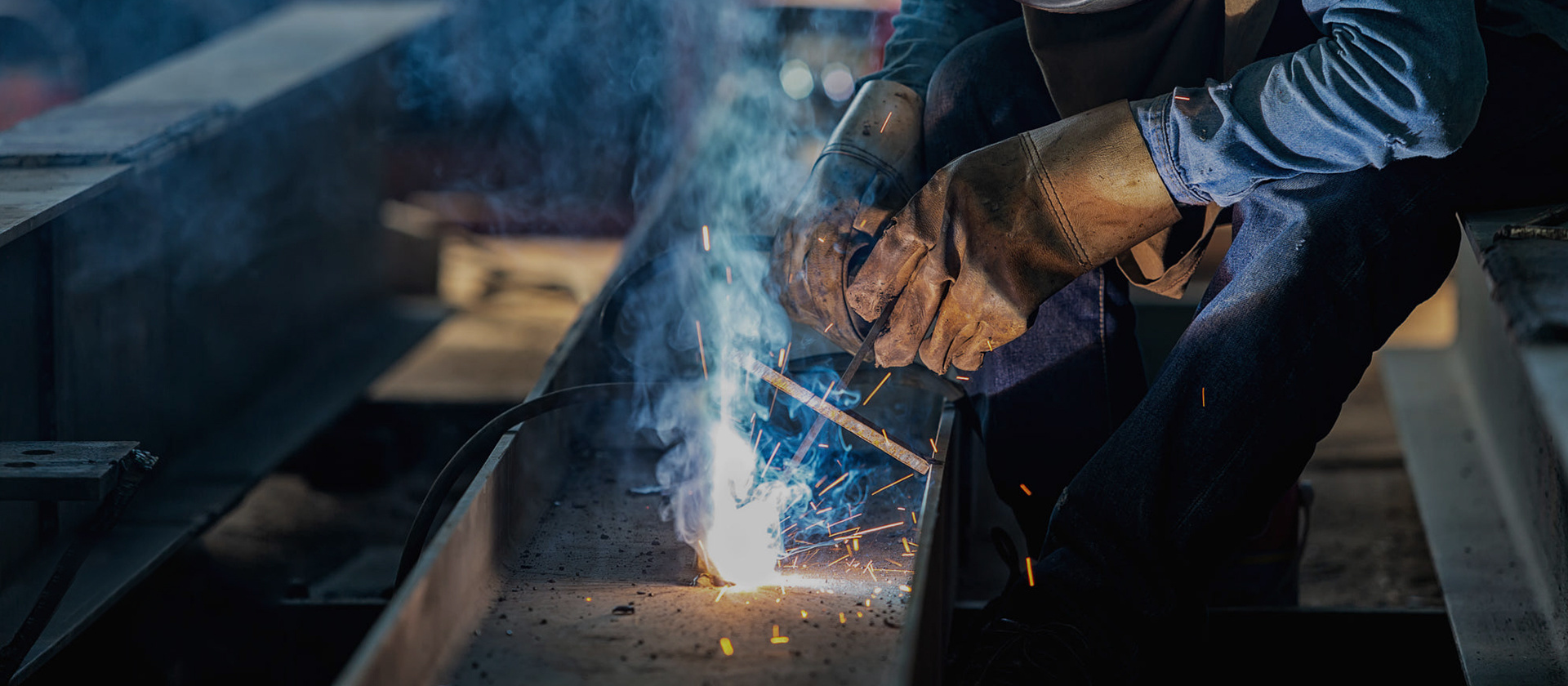
Welding is an essential process in various industries, from manufacturing to construction, and it involves the fusion of metals using intense heat. However, this powerful technique comes with its risks, particularly to the eyes. That's where welding glass becomes invaluable.
Welding glass is a special type of glass designed to protect the eyes from the intense light and harmful radiation emitted
Welding is an essential process in various industries, from manufacturing to construction, and it involves the fusion of metals using intense heat. However, this powerful technique comes with its risks, particularly to the eyes. That's where welding glass becomes invaluable.
Welding glass is a special type of glass designed to protect the eyes from the intense light and harmful radiation emitted during welding. When metals are fused, they produce bright arcs that can cause serious eye damage, including burns, blindness, or long-term vision impairment. Therefore, using appropriate welding glass is vital for maintaining vision health.
The primary function of welding glass is to filter out harmful ultraviolet (UV) and infrared (IR) radiation. UV light can lead to photokeratitis, a painful eye condition similar to sunburn, while IR radiation can cause heat damage to the eyes. A good welding glass can significantly reduce these risks, ensuring that welders can work safely and effectively.
Welding glass comes in various shades, typically ranging from shade 5 to shade 14. The shade number indicates how dark the glass is, with higher numbers providing greater protection from bright arcs. The choice of shade depends on the specific welding process being performed. For example, gas welding often requires a lighter shade than arc welding. It is essential for welders to select the appropriate shade for their tasks to ensure optimal visibility and protection.
Another important aspect to consider is the quality of the welding glass. High-quality welding glass not only provides better protection but also offers improved clarity, allowing welders to see their work more effectively. Many modern welding glasses also incorporate anti-scratch coatings and are made from durable materials, enhancing their lifespan and usability.
In addition to protective welding glass, it is important to consider the use of protective goggles or helmets that incorporate welding glass. These devices can provide full-face protection, shielding welders from sparks, spatter, and flying debris.
In conclusion, welding glass is an essential piece of equipment for anyone involved in welding and metalworking. It serves as a protective barrier against harmful radiation and helps maintain clear visibility during the welding process. By understanding the importance of welding glass and choosing the right type for specific applications, welders can ensure their safety and enhance their performance. Whether you are a seasoned professional or a novice, prioritizing eye protection through the use of quality welding glass is imperative for a successful and safe welding experience.
Welding glass is a special type of glass designed to protect the eyes from the intense light and harmful radiation emitted during welding. When metals are fused, they produce bright arcs that can cause serious eye damage, including burns, blindness, or long-term vision impairment. Therefore, using appropriate welding glass is vital for maintaining vision health.
The primary function of welding glass is to filter out harmful ultraviolet (UV) and infrared (IR) radiation. UV light can lead to photokeratitis, a painful eye condition similar to sunburn, while IR radiation can cause heat damage to the eyes. A good welding glass can significantly reduce these risks, ensuring that welders can work safely and effectively.
Welding glass comes in various shades, typically ranging from shade 5 to shade 14. The shade number indicates how dark the glass is, with higher numbers providing greater protection from bright arcs. The choice of shade depends on the specific welding process being performed. For example, gas welding often requires a lighter shade than arc welding. It is essential for welders to select the appropriate shade for their tasks to ensure optimal visibility and protection.
Another important aspect to consider is the quality of the welding glass. High-quality welding glass not only provides better protection but also offers improved clarity, allowing welders to see their work more effectively. Many modern welding glasses also incorporate anti-scratch coatings and are made from durable materials, enhancing their lifespan and usability.
In addition to protective welding glass, it is important to consider the use of protective goggles or helmets that incorporate welding glass. These devices can provide full-face protection, shielding welders from sparks, spatter, and flying debris.
In conclusion, welding glass is an essential piece of equipment for anyone involved in welding and metalworking. It serves as a protective barrier against harmful radiation and helps maintain clear visibility during the welding process. By understanding the importance of welding glass and choosing the right type for specific applications, welders can ensure their safety and enhance their performance. Whether you are a seasoned professional or a novice, prioritizing eye protection through the use of quality welding glass is imperative for a successful and safe welding experience.





Add
Xing village, lvgongbao town, renqiu city, hebei province, china